From Heian‑kyō Onward: A Thousand Years in One Bite of Kyoto Pickles

When people talk about Kyoto’s flavors, they usually mention kaiseki cuisine, matcha, or delicate wagashi. Quietly sharing the table with these stars, however, is a supporting actor that rarely gets top billing yet never leaves the stage: tsukemono, Japanese pickles. Fed by pure underground water and an astonishing diversity of local vegetables, Kyoto’s pickles have travelled from palace banquets to today’s ryokan breakfast trays, carrying a thousand years of taste in a single salty‑tangy bite.

Heian Aristocrats and the First “Luxury Pickles”
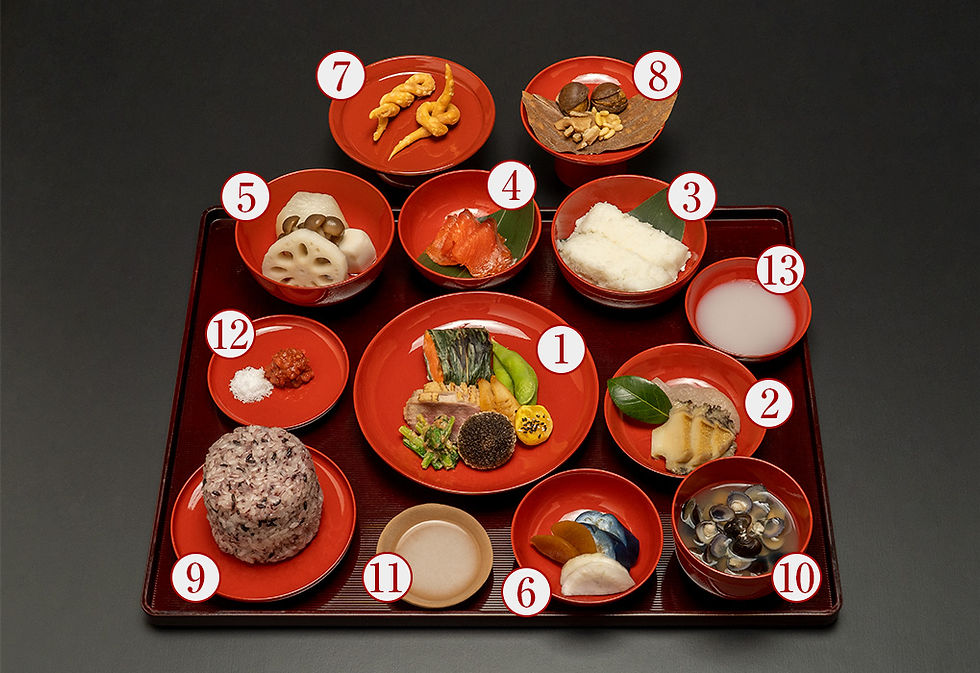
Pickles appear in written records as early as the Nara period, but they truly step into the limelight after the capital moves to Heian‑kyō, present‑day Kyoto. By the mid‑10th century, the court manual “Engishiki” already lists around 50 varieties, using gourds, greens, wild herbs, and even fruits like peaches and persimmons preserved in salt—an ancient cousin of today’s fruit pickles. At this stage, though, pickles are a luxury: salt and sake lees are expensive, vegetable cultivation is limited, and these “fragrant things” appear mainly at aristocratic feasts.
Zen Kitchens and Tea Rooms: The Birth of “Kōnomono”

Everything changes when Zen Buddhism arrives. In the Kamakura period, Zen master Dōgen returns from China and writes “Tenzo Kyōkun,” or “Instructions for the Cook,” treating cooking as a form of spiritual practice. In the austere world of temple meals—one bowl of rice, one bowl of soup—pickles are not an afterthought, but part of a complete, mindful set. As Zen and vegetarian shōjin ryōri spread, monasteries around Kyoto expand their vegetable gardens, and pickles slip quietly from the palace into everyday life.
The tea ceremony gives them a new stage. In formal kaiseki, a simple bowl of rice at the end is almost always served with a small dish of pickles, and the set of “rice, soup, dishes, and kōnomono” becomes a template for Japanese meals. The word kōnomono itself, originally elegant “women’s language” at court for pleasantly scented miso pickles, soon comes to mean pickles in general, framing them not as survival food but as an object of aroma and taste.
Kyoto’s storybook pickles begin to appear one by one. Suguki, a sharply sour turnip pickle now counted among Kyoto’s “three great pickles,” is believed to have developed around the Momoyama period in the Kamigamo area. Legend says a shrine‑connected family cultivated special turnips for the elite and kept the recipe secret until famine forced them to share it. Even today, winter in northern Kyoto is marked by rows of wooden barrels for suguki fermenting in the cold air.
Edo: A Riot of Color on the Commoner’s Table

Peace in the Edo period ushers in a golden age. Cities grow, transport networks improve, and both vegetables and seasonings become plentiful. Specialty pickle shops called kōnomono‑ya pop up in Kyoto, Osaka, and Edo, and temple fairs bustle with stalls selling regional pickles and seasonal limited editions. At home, rice‑bran beds called nuka‑doko spread as families reuse rice bran and salt to ferment cucumbers, eggplants, and daikon. Nuka‑zuke becomes a daily side dish, and daikon pickles evolve into takuan, still one of the country’s most popular pickles.
It is at the very end of this era that Kyoto’s winter icon appears: senmaizuke, literally “a thousand slices.” Shōgoin turnips, a traditional Kyoto variety, are cut almost paper‑thin and lightly pickled with salt and vinegar, producing a snow‑white, translucent pickle with a gentle sweetness and subtle acidity. In an age dominated by heavily salted, long‑fermented pickles, senmaizuke feels shockingly elegant—soft on the palate yet precise in flavor—and sets the tone for the refined Kyoto pickle style.
Modern Times: From Farmhouse Side Gig to “Kyo Tsukemono” Brand
Modern industrialization turns farmhouse side businesses into brands. In the early 20th century, Kyoto’s pickle makers organize formally, and after the Second World War, ready‑made pickles increasingly replace family tubs of fermenting rice bran. As wheat imports rise and bread and noodles share the table with rice, pickles risk losing their everyday role.
Nishiri: From Wooden Barrels to Refrigerated Display Cases

Enter Nishiri. Founded by a former apprentice of an old Kyōto pickle shop, Nishiri is one of the companies that drag tsukemono gently into the late 20th century. They introduce refrigerated display cases, offer neatly cut, individually packed pickles, and transform what once sat in wooden barrels in back alleys into something that looks at home in a department‑store food hall. Later, lightly salted “assari‑zuke” lines tap into a national concern about health, and the discovery of beneficial lactic acid bacteria in traditional Kyoto pickles helps reframe them as fermented wellness foods, not just salty condiments.
From Side Dish to Cultural Heritage
In 2013, washoku—Japan’s traditional dietary culture—joins UNESCO’s list of Intangible Cultural Heritage. The meal UNESCO chooses to showcase is deceptively simple: rice, miso soup, three side dishes, and a small plate of pickles. On that plate, Kyoto’s tsukemono finally emerge from the shadows of the main act.
Kyoto’s pickles are, in many ways, Kyoto in miniature: outwardly modest, inwardly layered. Whether you are watching suguki barrels in Kamigamo, finishing a ryokan breakfast with one last bite of kōnomono, or picking up a pack of senmaizuke at Nishiri before your next temple stop, you’re tasting the same slow, quiet continuity—one that began in Heian‑kyō and still crunches softly between your teeth today.


Comments